

What is World Malaria Day?
23 April 2026

World Malaria Day 2026: Why are children still dying from a preventable disease?
Every minute a child somewhere in the world dies from malaria, a preventable disease that continues to claim lives simply because help does not arrive in time.
It is a statistic that can feel almost impossible to comprehend. But in the places where malaria is most common, it is not a statistic at all. It is a child who develops a fever at night. A family deciding whether to wait until morning or begin the long walk to care in the dark. A clinic that may be hours away, if it is reachable at all.
World Malaria Day is a reminder of the gap between what is medically possible and what children can access in time. The need remains urgent.
Keep reading to learn more about World Malaria Day and how ChildFund Australia is working with communities to help prevent malaria and protect children.
When is World Malaria Day?
World Malaria Day is observed every year on 25 April.
The 2026 theme is “Driven to End Malaria: Now We Can. Now We Must.” It’s a call to build on progress and act with urgency to end malaria, protect lives now, and invest in a malaria-free future.
What is malaria?
Malaria is a life-threatening disease, transmitted through the female Anopheles mosquito, that has been infected by the plasmodium parasite. When this mosquito bites someone, this parasite is released into the bloodstream of the person. Another way malaria can be transmitted is through blood transfusions or organ transplants.
A disease that moves faster than care
Once in the bloodstream, malaria multiplies quickly and can make young children seriously sick within hours. It is both preventable and treatable.
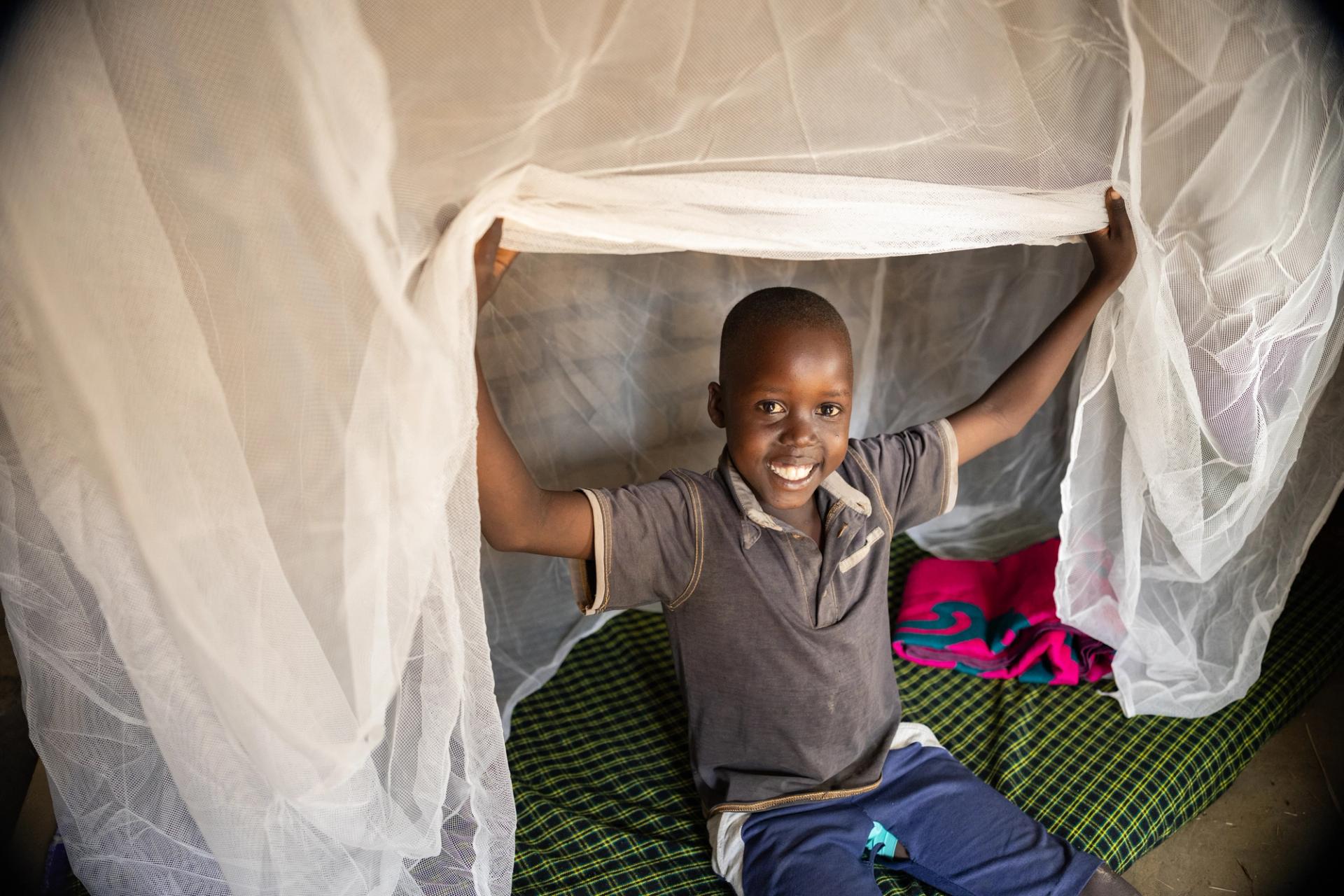
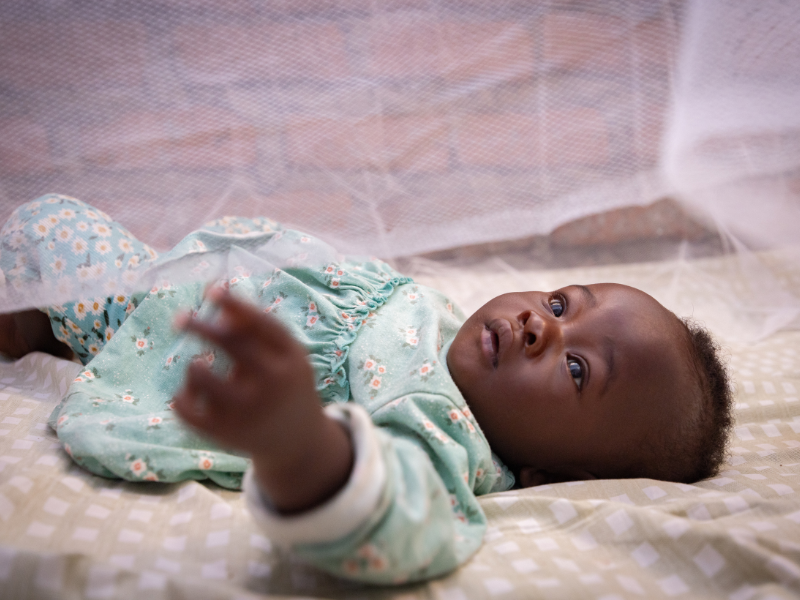
Mosquito nets protect children while they sleep, and rapid tests can confirm infection within minutes. With timely treatment, most children recover, though for families in hard-to-reach communities, help is often delayed. Health services can be far away, and children are often brought in already seriously sick. Children under five are most at risk. A fever can escalate quickly when diagnosis is delayed and the tools to prevent or treat it are out of reach.
Why is malaria prevention a serious global issue?
The World Health Organization (WHO) reports that an estimated 610,000 people died of malaria in 80 countries in 2024. An estimated 95 per cent of these deaths were in the WHO African Region. The tragedy is that malaria is both a treatable and preventable disease, however it can be fatal when the disease is not detected or treatment has not started early enough.
Access to adequate health care is a driving factor in the high malarial mortality rate in tropical and subtropical regions such as Africa, South America and South East Asia. Widespread infection rates, across communities and multiple continents, with many cases still going unreported, is what makes malaria prevention a global issue.
Papua New Guinea: when care is hours away
In rural Papua New Guinea, malaria is part of everyday life. Most families live in places where transmission is a risk. In villages like Kivori, a small, remote community, a fever in a child is never taken lightly, but getting care is not always straightforward.
In these settings, survival depends on recognising symptoms early and reaching care in time.
When six-year-old Paul became seriously sick, his mum, Annette, remembers how quickly things changed.
“He was feverish and fainted. It was quite severe,” she said.
Care lay hours away, and reaching it meant carrying a desperately sick child every step of the way. With support from community-based health workers, Annette eventually reached medical help. Paul was tested and treated, and he recovered.
Uganda: bringing care closer to children
In rural Uganda, where malaria remains one of the leading causes of childhood illness and death, reaching treatment can also take hours on foot.
Sub-Saharan Africa accounts for around 95 per cent of global malaria deaths, with young children most affected, according to the World Health Organization’s World Malaria Report 2024.
In places like Kapelebyong, that burden is felt most in how far families must travel to reach care. Clinics are often too far for families to reach quickly. When children become sick, parents may wait or begin long journeys to find help.
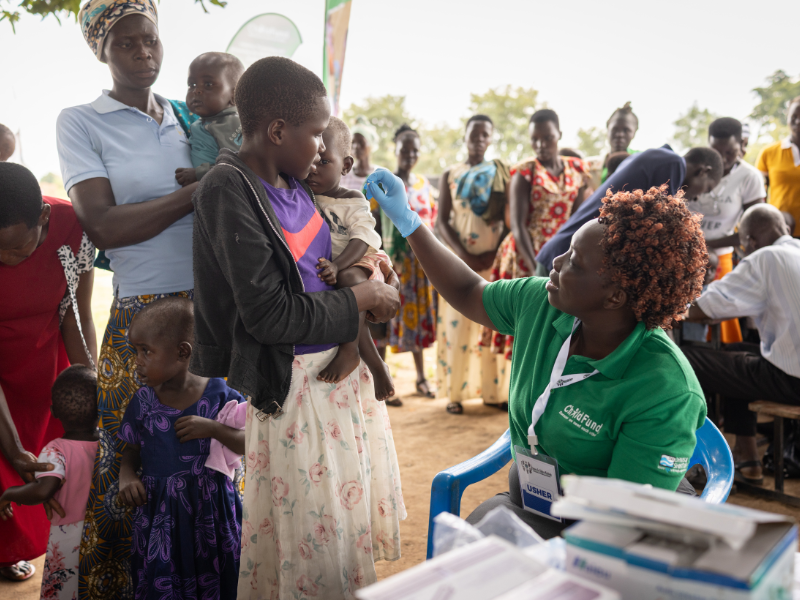
In response, ChildFund and its local partners support outreach services that bring diagnosis and treatment closer to families.
On one visit, more than 1,800 people arrived for medical care. Some walked for hours. Others carried children over long distances.
Nine-month-old William was brought by his mum, Betty. He was tested and treated for malaria alongside hundreds of others that day.
For families like Betty’s, these visits are often the only chance for timely treatment.
Health workers also share simple prevention messages: recognise fever early, use mosquito nets every night and seek care without delay.
Progress against malaria – but not for every child
Over the past two decades, global malaria deaths have fallen significantly, though progress remains uneven. Some countries have eliminated malaria entirely, while others continue to experience high transmission year after year.
Tools now exist at scale, including insecticide-treated mosquito nets, rapid diagnostic testing, effective treatment and malaria vaccines for young children in some countries. But these tools do not reach every child. Access still depends on where a child lives and how quickly care can be reached.
How ChildFund is helping bring care closer
In places where malaria is most persistent, care often depends on systems that extend beyond formal clinics. ChildFund works with communities, local leaders and partners to strengthen access to diagnosis, treatment and early care.
This includes:
- Rural and remote health clinics providing diagnosis and treatment
- Community and village health workers trained to recognise early symptoms
- Support for families to identify danger signs and seek care early
- Referral pathways connecting remote villages to higher-level treatment
- Outreach services delivering testing and treatment directly into communities
Across these approaches, the focus is simple: reduce the time between fever and treatment. In malaria, time often decides survival. Even with these systems in place, the disease can still escalate quickly when care is delayed.
Clean water and malaria risk
Malaria risk is shaped as much by environment as by access to medicine.
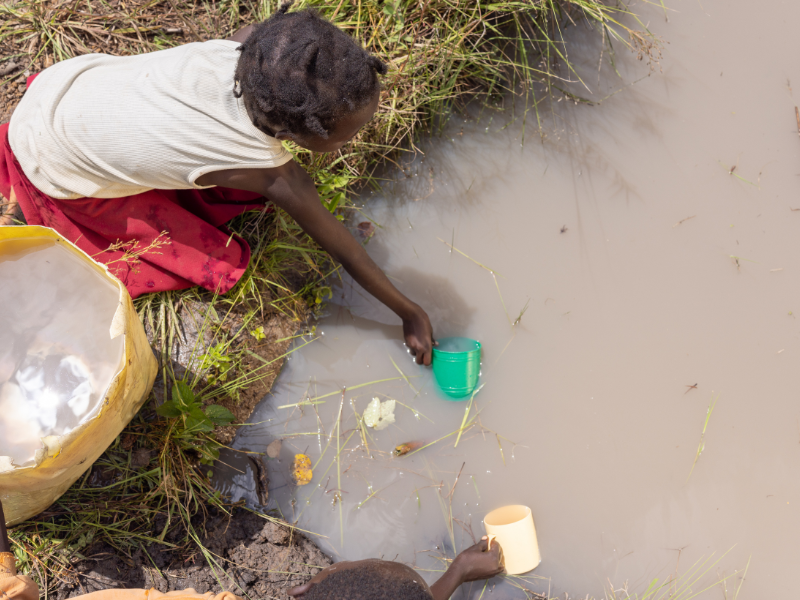
In many communities, families rely on rivers, swamps or open water sources for daily needs. After rainfall, water collects around homes, containers and paths. These still pools become breeding sites for mosquitoes close to where children live and sleep.
In everyday life, this can look like children collecting water in the morning while open containers are left outside and rainwater gathers in uneven ground nearby. These conditions increase exposure without families always realising it.
Where safe water systems are in place, stagnant water is reduced and mosquito breeding sites are fewer. For children, this can mean a lower risk of infection in the places they grow up and spend most of their time.
For children, malaria risk begins not just with a mosquito bite, but in the places they live, play and sleep.
How you can make a difference this World Malaria Day
This World Malaria Day, you can help support children and families in remote communities where malaria remains a serious threat.
Through ChildFund Australia’s Gifts for Good, your support helps protect children and improve access to prevention and health care:
- Insecticide-treated mosquito net ($10) – A simple and highly effective way to help protect children from malaria while they sleep.
- Child vaccinations ($65) – Help protect children from preventable, life-threatening diseases through routine immunisation.
- Safe and sound bundle ($200) – A practical gift that provides mosquito nets and blankets to help keep children safe from mosquitoes that spread malaria.
- Community health volunteers ($350) – Help train community health volunteers who support families with early diagnosis, treatment and prevention of malaria, and connect communities with basic health care.
Your support helps protect children from a preventable disease and brings us closer to a world where no child dies from malaria.